Diamonds
Every guide we’ve written about diamonds.
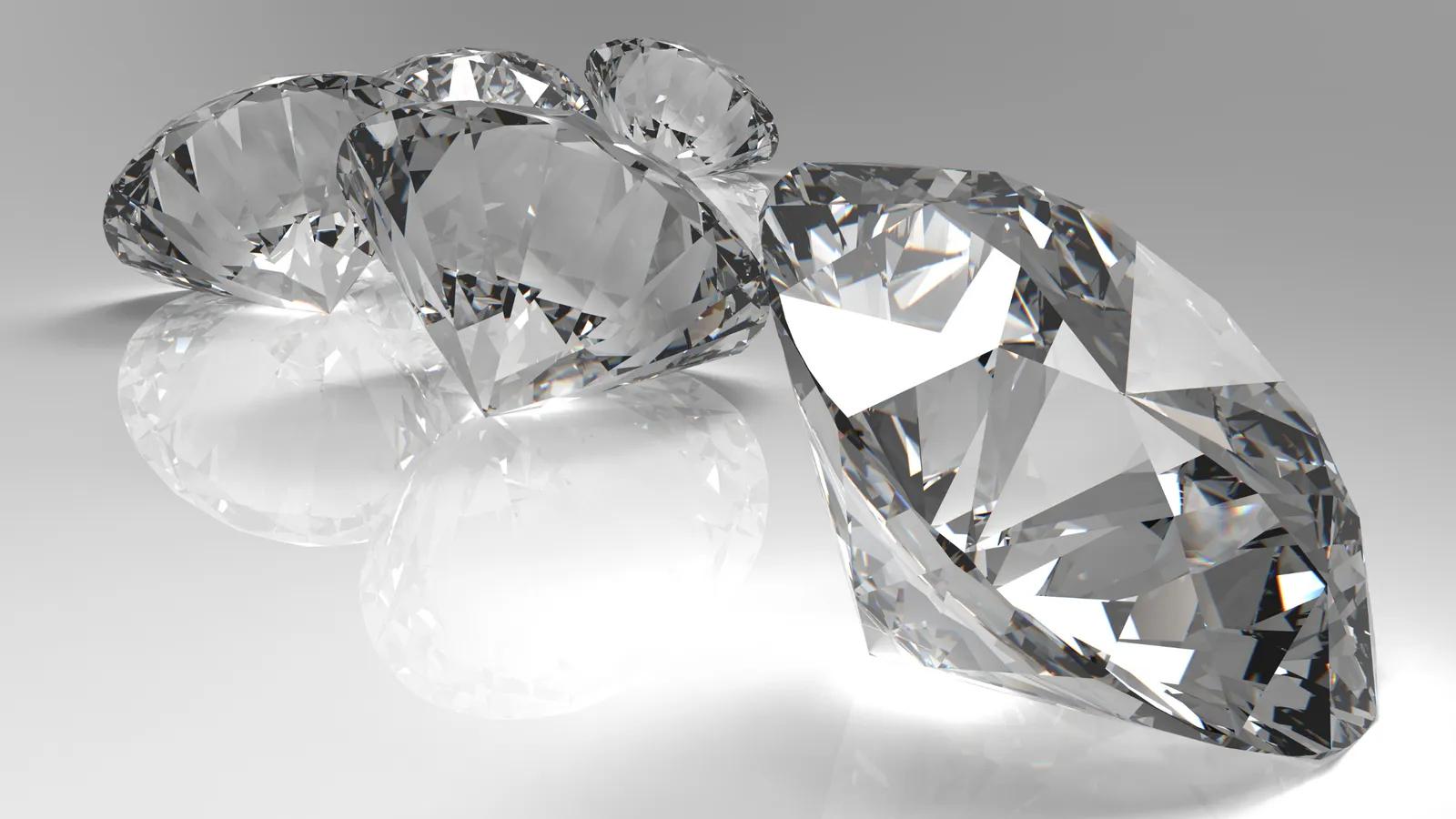
What Is a Composite Diamond? (Cluster Look vs Assembled Stone)
A composite diamond usually means small diamonds set together to look like one big stone. How it compares with a solitaire on looks, price and value.
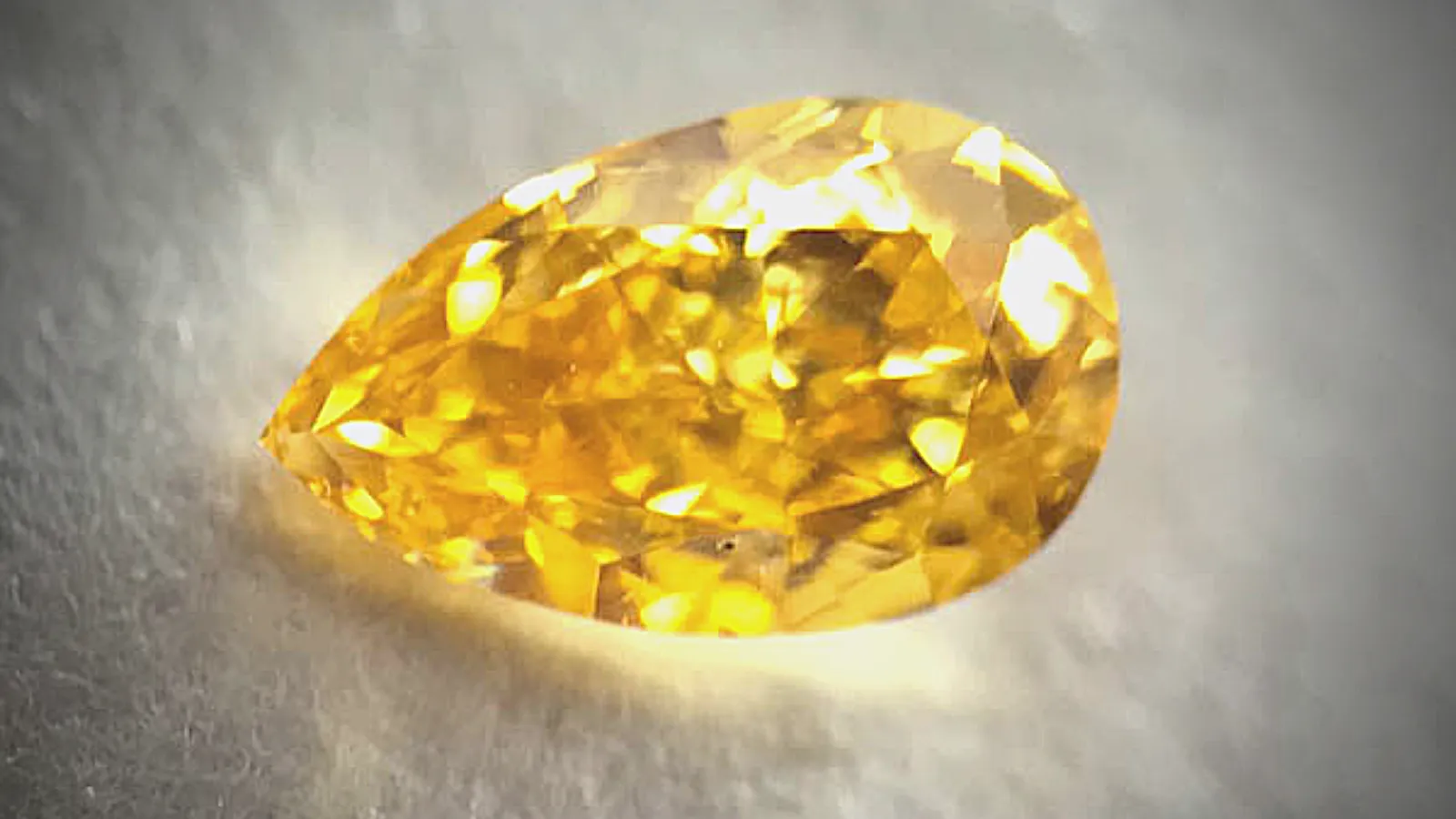
What Is a Saffron Diamond? (Yellow-Orange Diamonds Explained)
Saffron diamond is a trade nickname for intense yellow-orange diamonds, not a lab grade. What causes the color, how it’s graded and what to check.
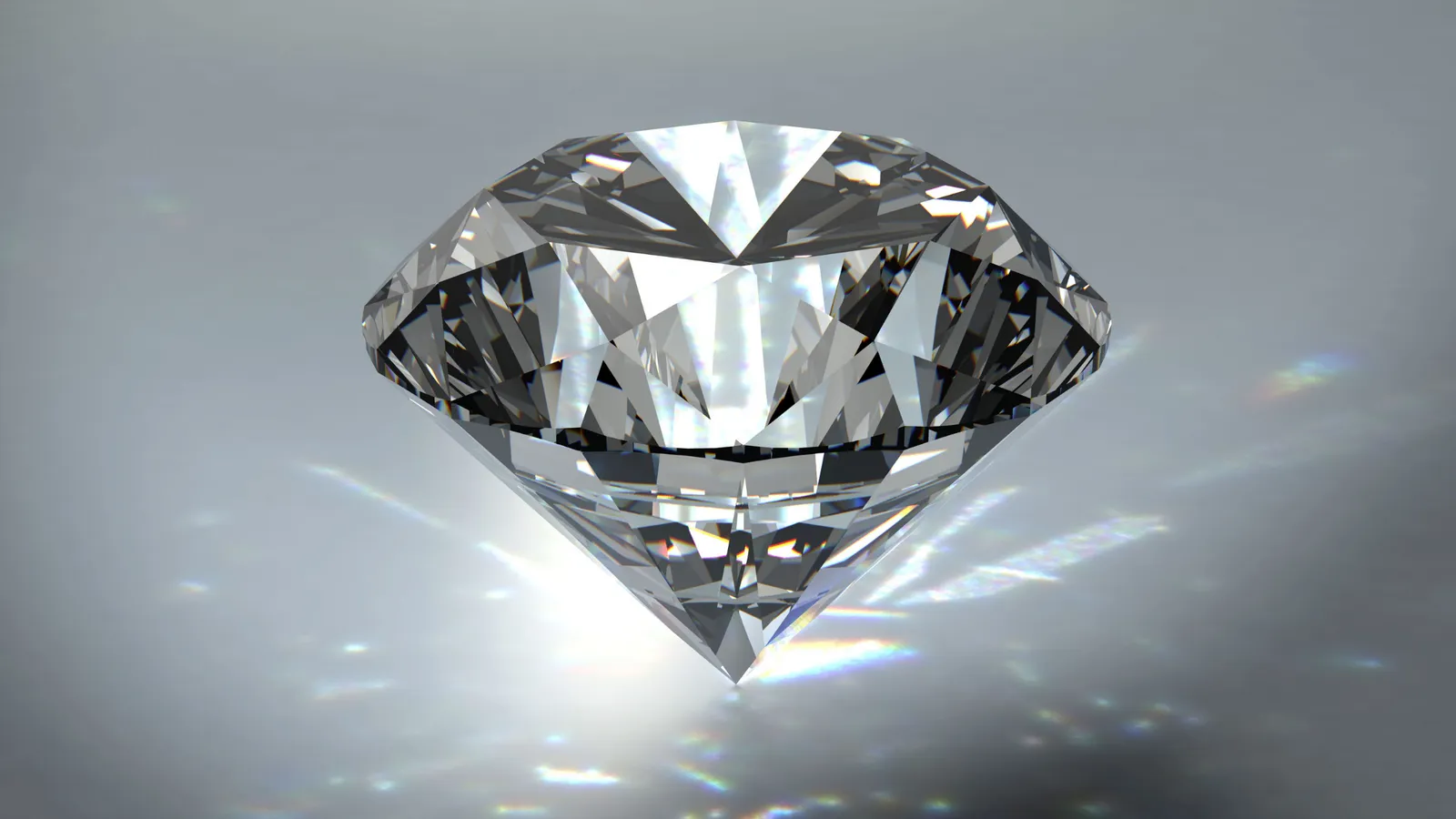
What Is Diamond Girdle Thickness? (Grades and What to Choose)
Girdle thickness runs from extremely thin to extremely thick on GIA reports. What each grade means for chipping, hidden weight and cut grade.
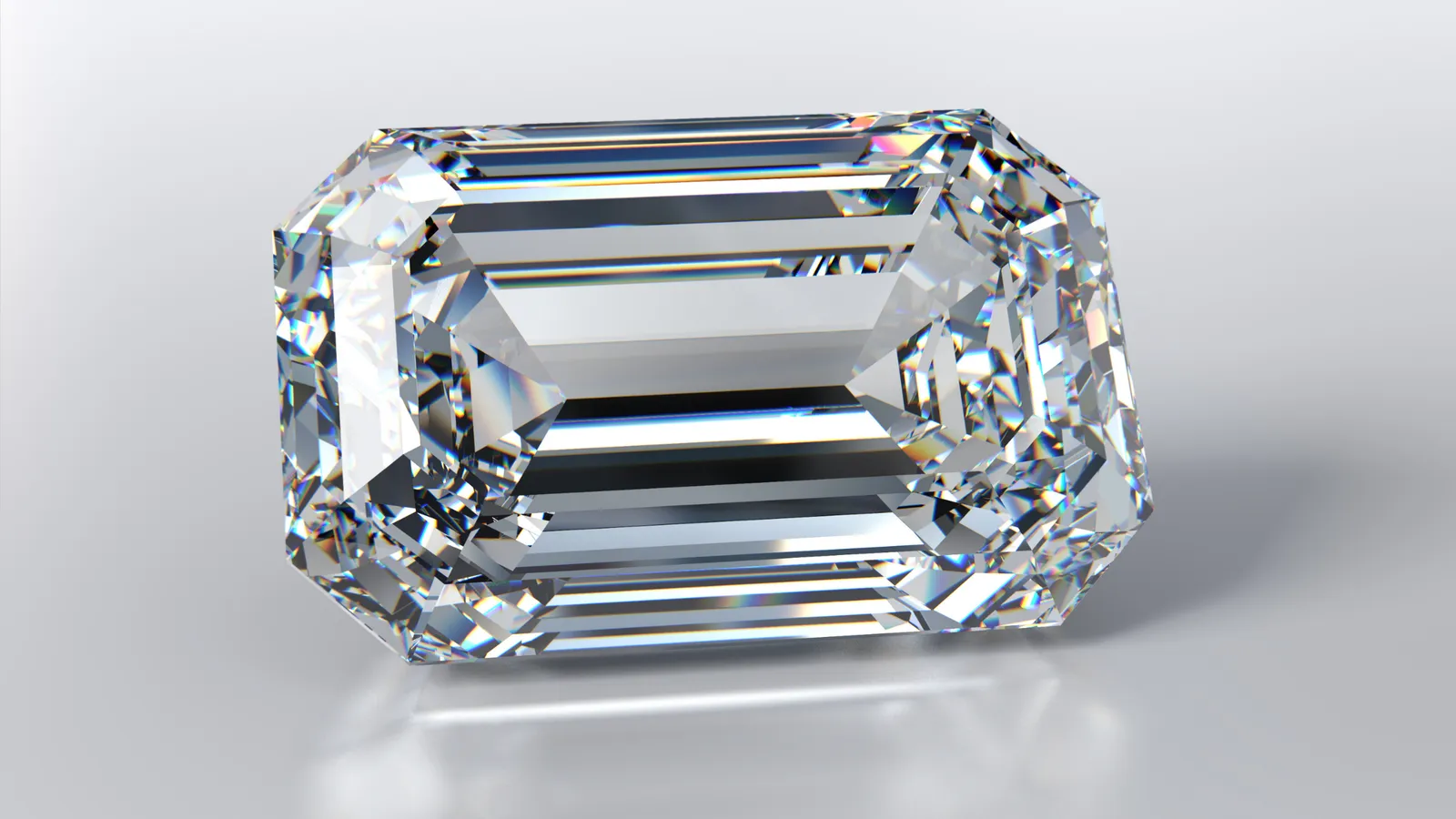
What Is an Emerald Cut Diamond? (Step Cut Look, Ratios & Buying Tips)
An emerald cut diamond is a rectangular step cut with clipped corners and mirror-like facets. How it looks, which grades matter and what to check.
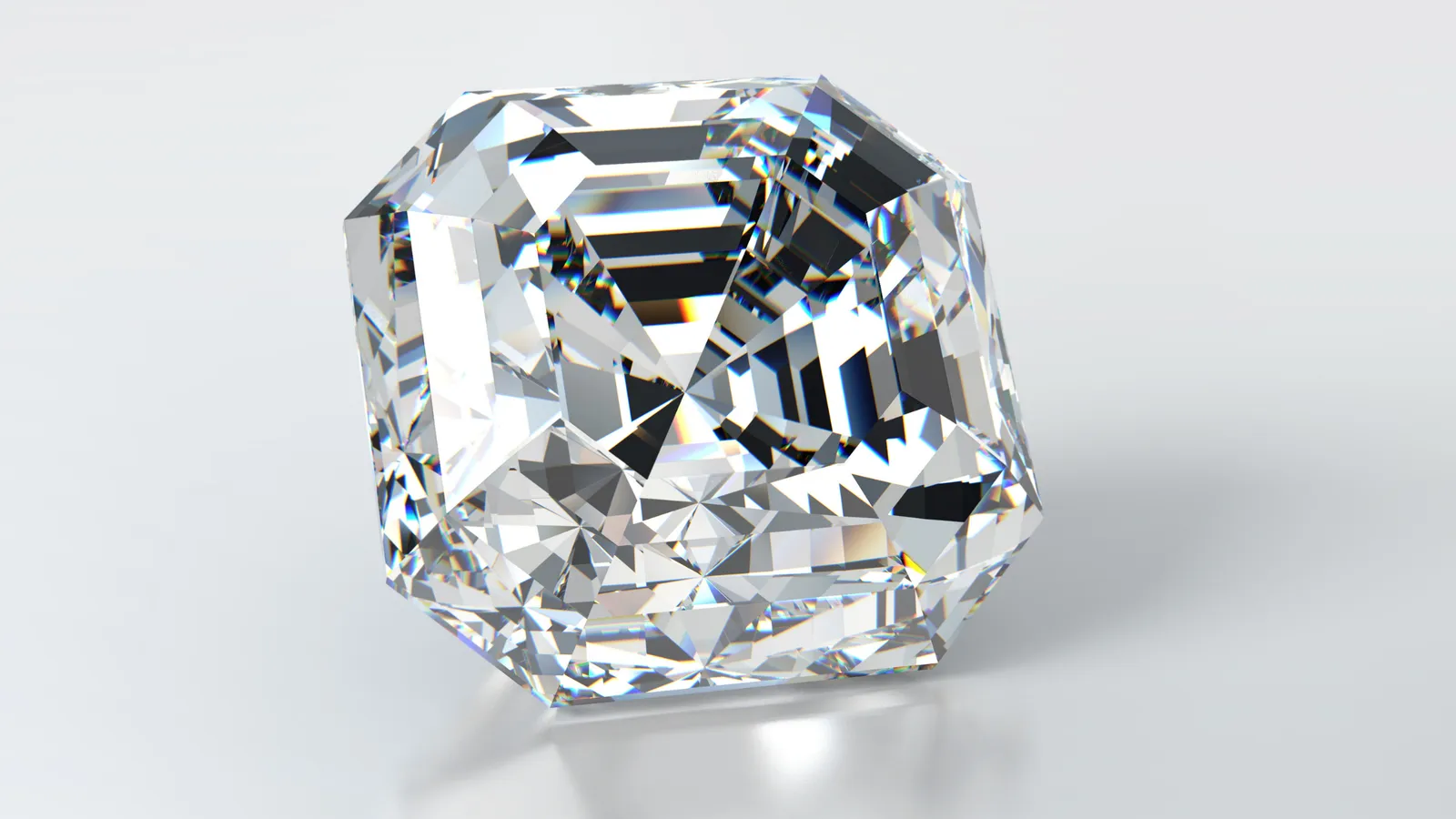
What Is an Asscher Cut Diamond? (History, Look & Buying Tips)
An Asscher cut is a square step-cut diamond with clipped corners and an X pattern. Its 1902 origins, how it differs from an emerald cut and buying tips.
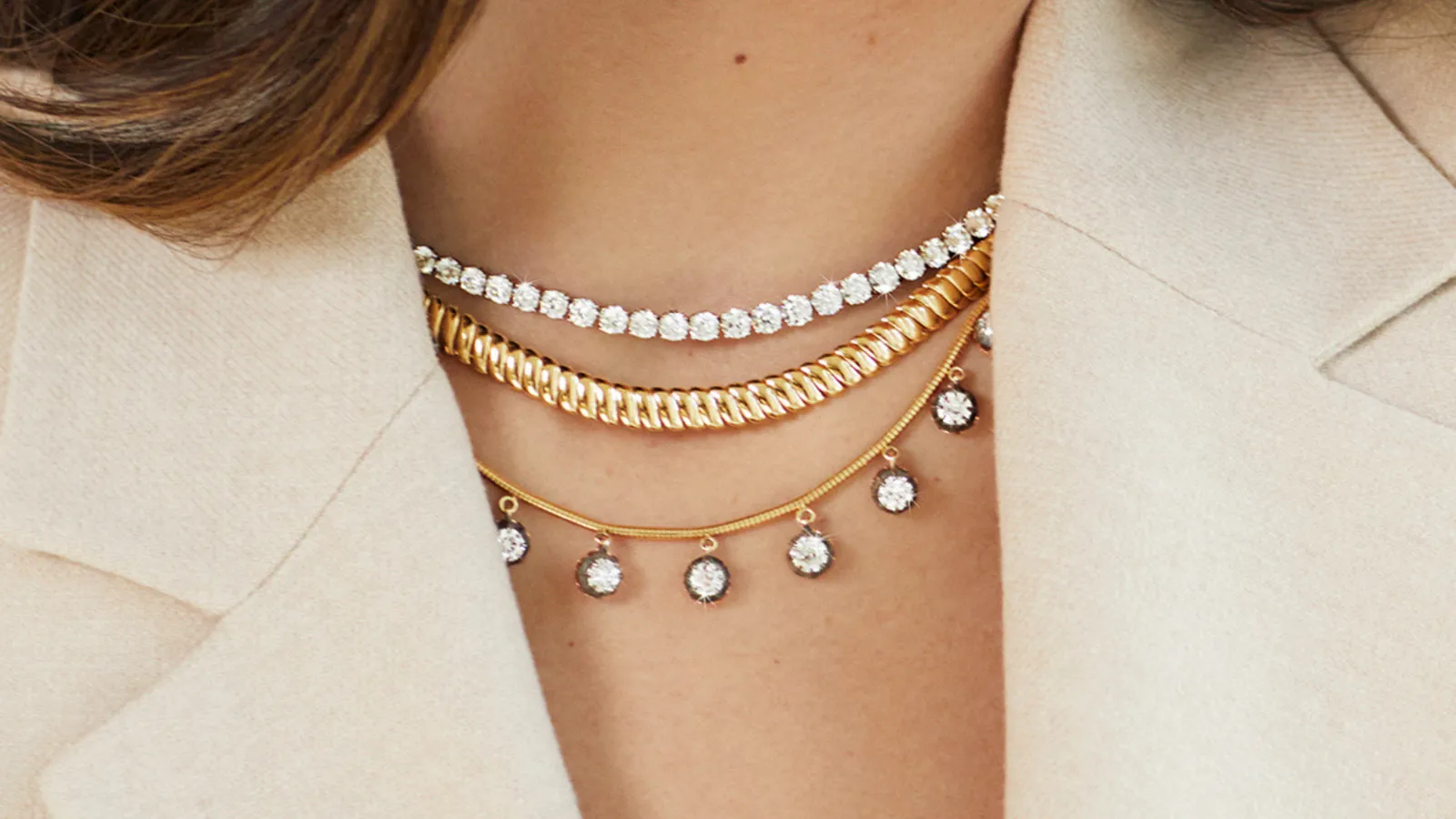
How to Layer Diamond Necklaces (Lengths, Combos & Common Mistakes)
Layer diamond necklaces by spacing lengths about 2 inches apart, mixing textures and letting one piece shine. Easy combos, neckline tips and tangle fixes.
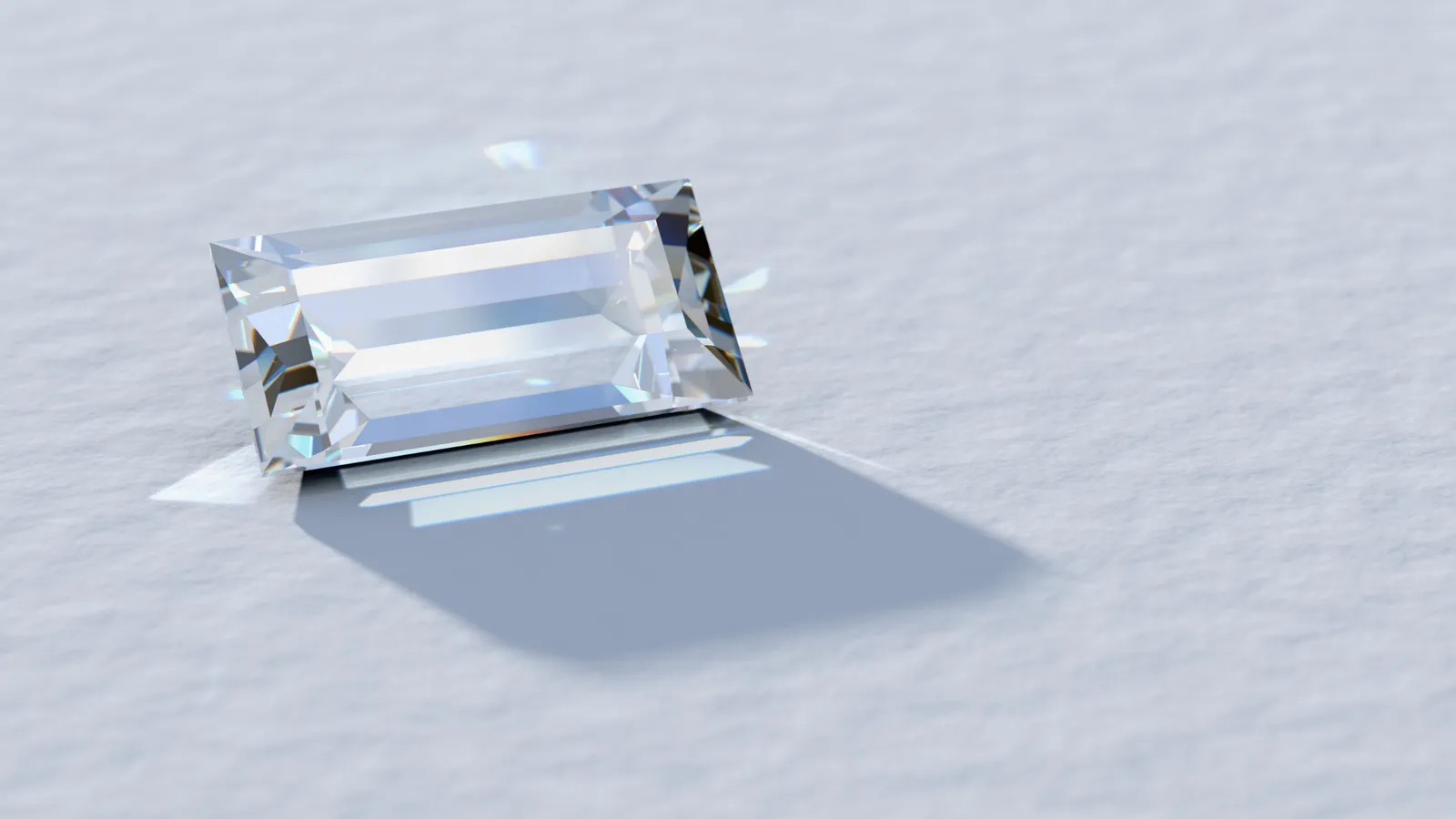
What Is a Baguette Cut Diamond? (Straight vs. Tapered)
A baguette is a small, long, rectangular step-cut diamond. Learn how it differs from an emerald cut, where it’s used, and what to check before you buy.
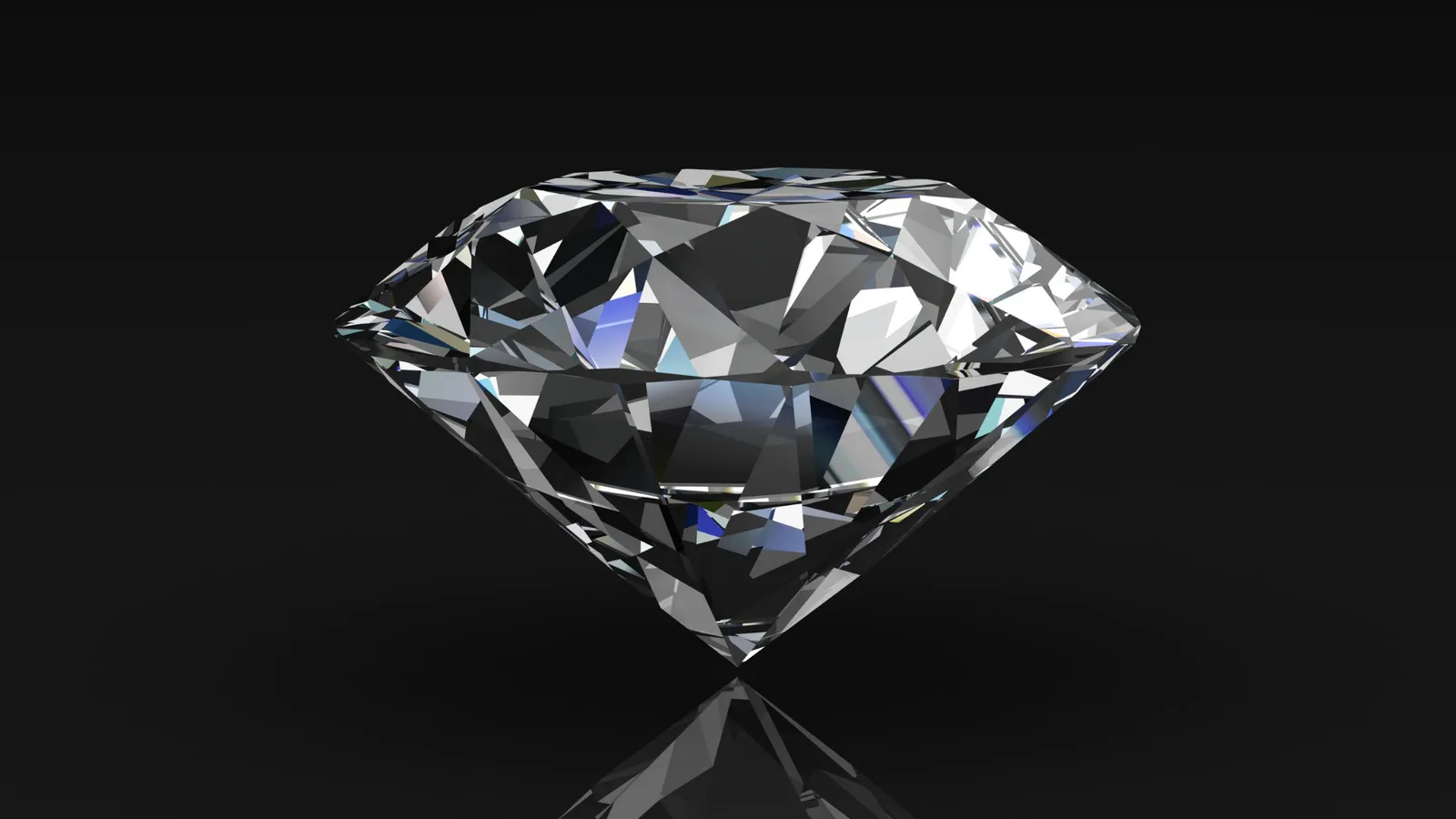
What Is the Girdle of a Diamond? (Where It Is and Why It Matters)
The girdle is the thin outer edge where a diamond’s top meets its bottom. What it does, the finishes you’ll see, naturals, bearding and inscriptions.
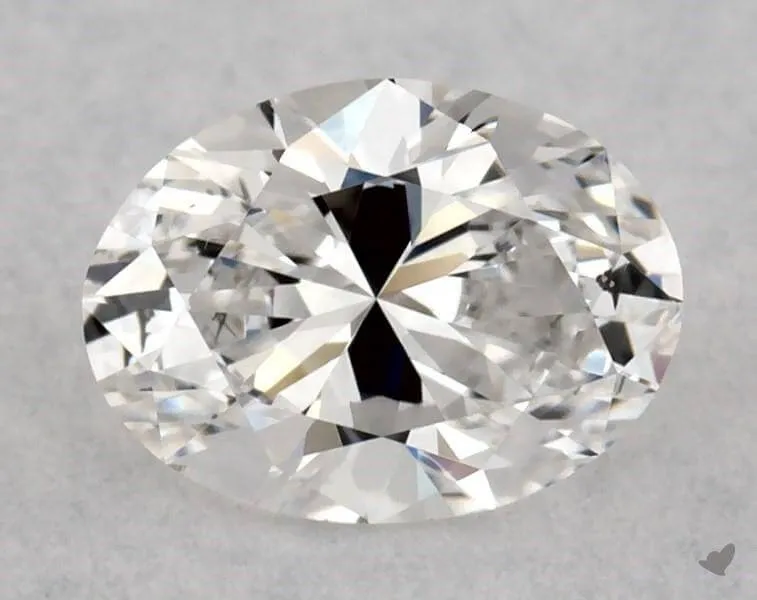
What Causes the Bow Tie Effect in Oval Diamonds? (And How to Avoid a Bad One)
The bow tie is a dark band across the middle of oval, pear and marquise diamonds. Here’s why it happens, why it’s not on lab reports, and how to judge one.
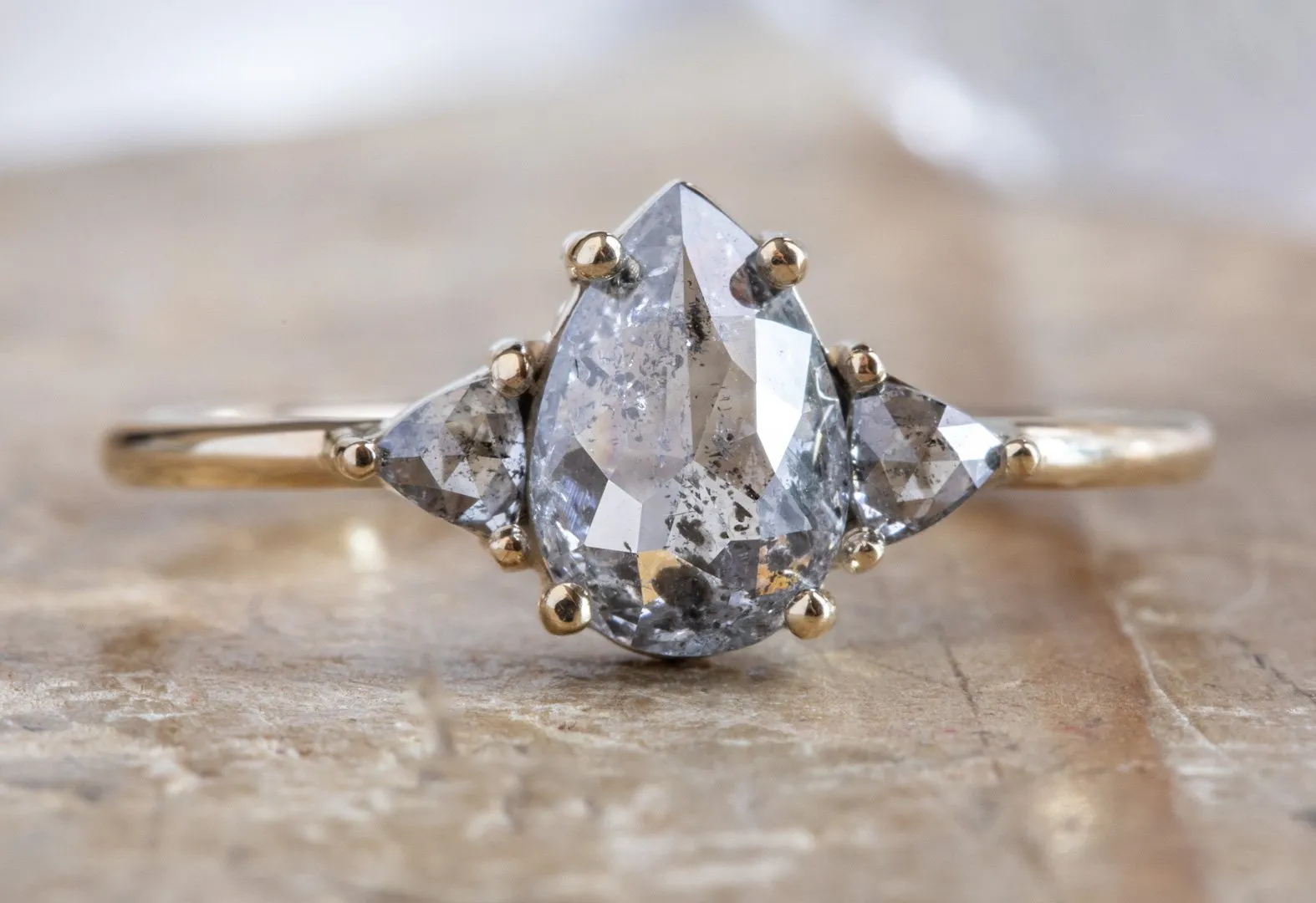
What Is a Salt and Pepper Diamond? (Look, Cost & Buying Tips)
Salt and pepper diamonds are natural diamonds full of black and white inclusions that give each stone a speckled, one-of-a-kind look. Here’s what to know.

Can You Wear Your Diamond Ring in the Shower? (What Really Happens)
Showering won’t hurt the diamond itself, but soap film dulls its sparkle and wet fingers make rings slip down the drain. Here’s when to take your ring off.
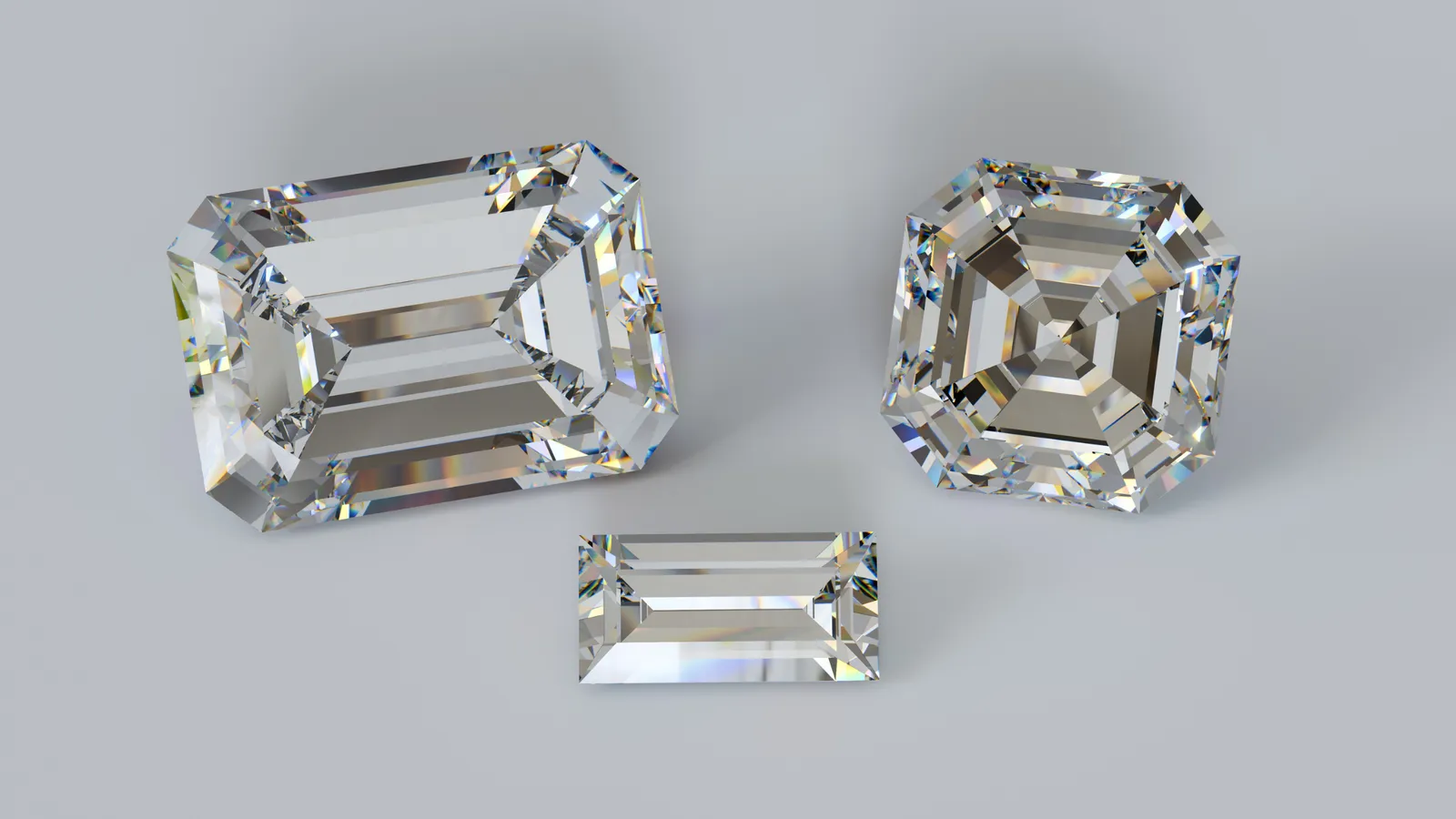
What Is a Step Cut Diamond? (Emerald, Asscher, Baguette & More)
Step cut diamonds have long, parallel facets like stairs and a hall-of-mirrors look. See the main shapes, how they differ from brilliants, and buying tips.